Modular Buildings in the Highlands: Flexible Space for Work, Living & Rural Life
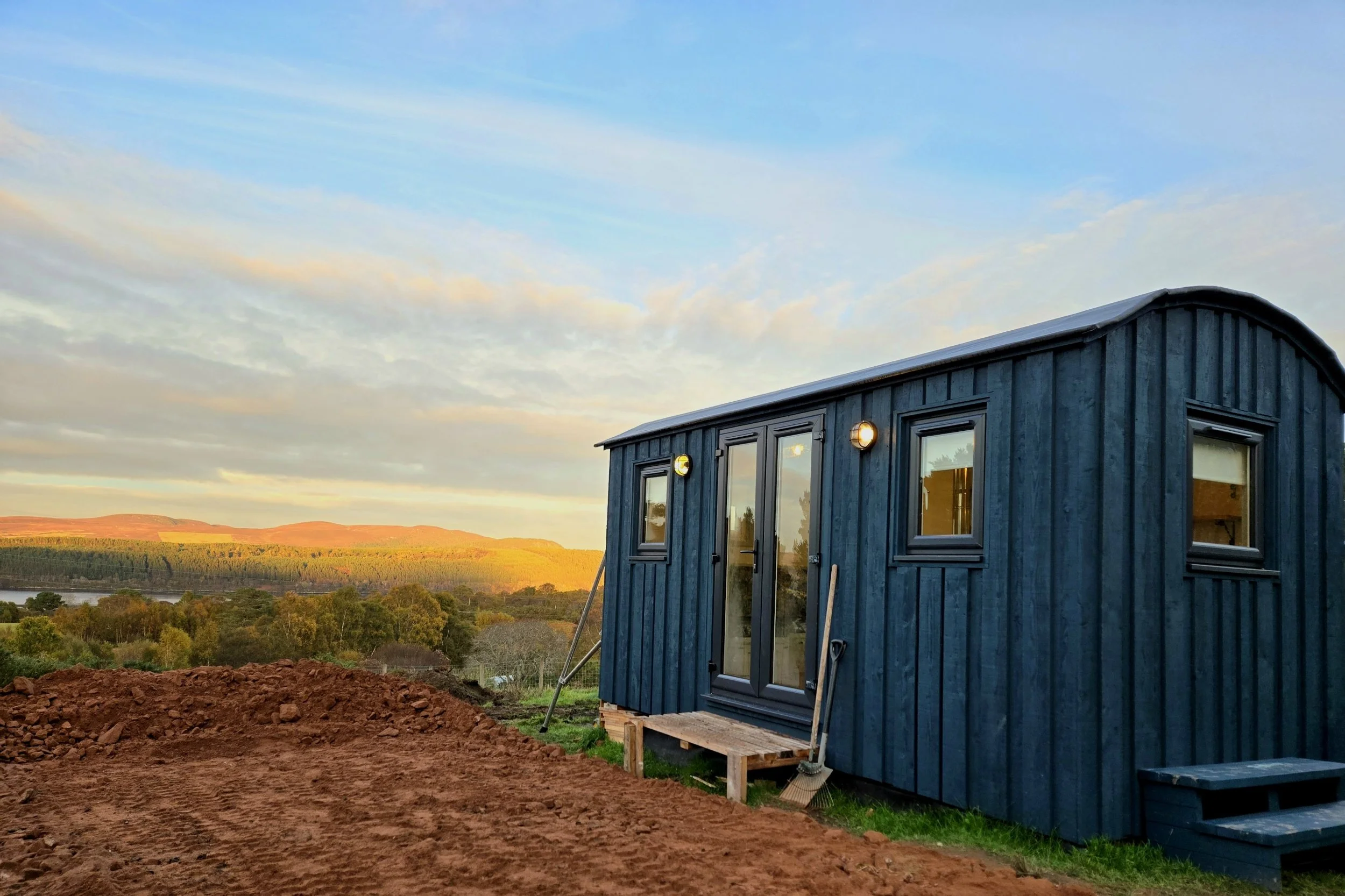
Modular buildings are no longer a stop-gap or temporary solution. Across the Highlands and rural Scotland, modular cabins, shepherd’s huts, and off-site built spaces are becoming a practical, well-designed way to create much-needed space without the disruption, cost, or timescales of traditional construction.
From garden rooms and home offices and insulated summer houses to off-grid cabins and flexible rural buildings, modular construction offers adaptability in places where access, weather, and infrastructure can make conventional builds challenging.
At Tartan & Thistle Hut Co., we design and build handcrafted modular huts and cabins, built off-site and installed turnkey, specifically for Highland conditions and real rural life.
What is a Modular Building?
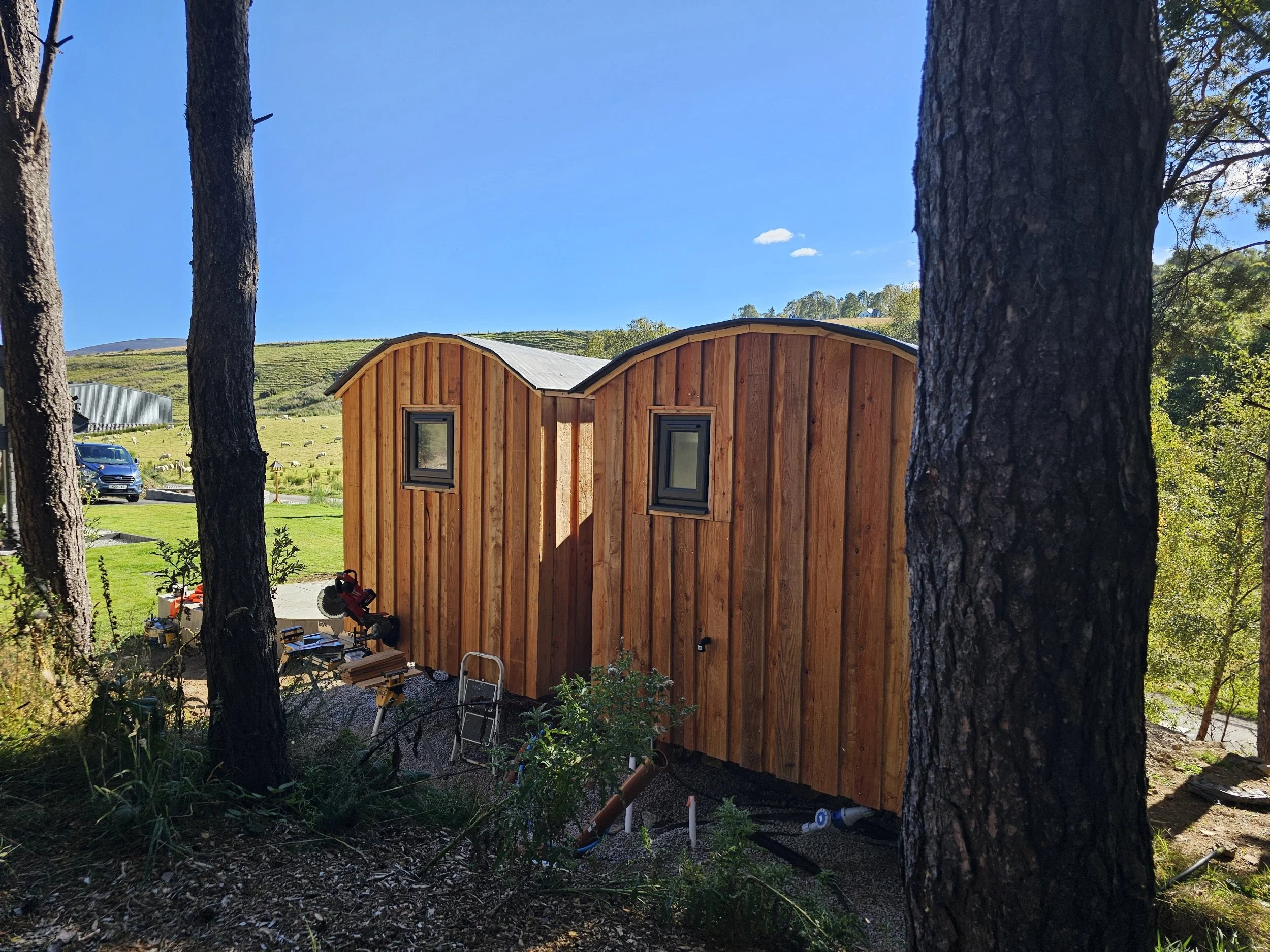
A modular building is constructed off-site in a controlled workshop environment, then delivered and installed as a complete structure or in a small number of sections.
This approach allows for:
Consistent build quality
Shorter on-site installation time
Reduced disruption to land and neighbours
Greater cost certainty
Year-round construction, regardless of weather
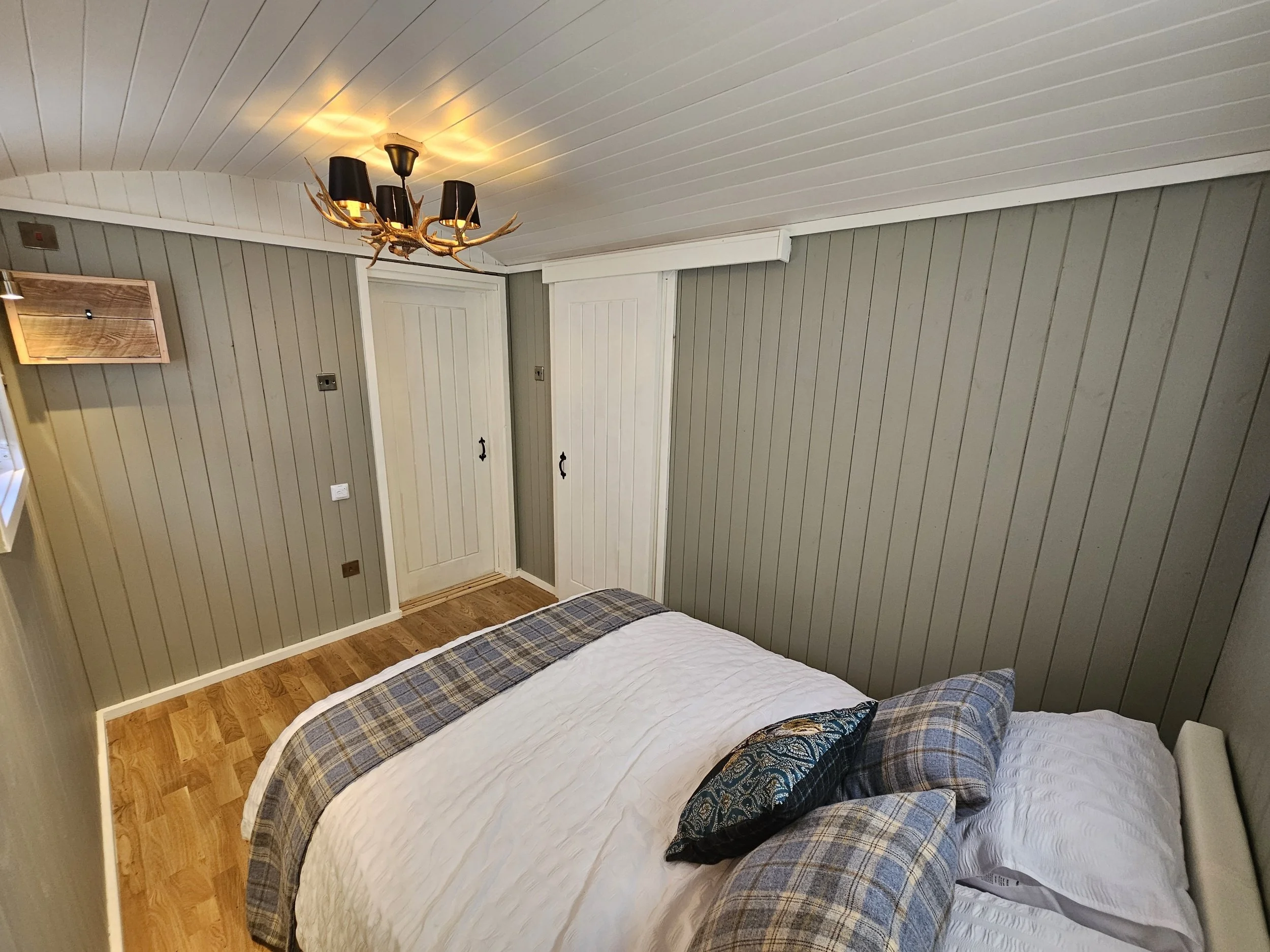
Unlike flat-pack or mass-produced units, our modular buildings are bespoke, fully insulated, and designed for regular use, whether that’s working, hosting, or simply having space to breathe.
Modular Buildings as Garden Rooms & Home Offices
One of the most common reasons people explore modular buildings is the need for a modular garden room or dedicated home office space, studio or workspace.
Kitchen tables, spare rooms, and corners of living spaces can only stretch so far. A modular home office provides:
Proper separation between work and family life
A quiet, permanent workspace
Natural light and insulation suitable for year-round use
A building that adds long-term value to your property
Many clients choose shepherd’s huts or compact cabins as garden offices in Scotland, creative studios, or professional spaces, warm in winter, cool in summer, and usable every day of the year.
These spaces often double as:
Studios and workshops
Therapy or consulting rooms
Study spaces
Occasional guest accommodation
Many of these spaces start life as shepherds huts in Scotland, a traditional form of compact living that has evolved into modern, insulated buildings suitable for work, leisure, or guest accommodation throughout the year.
Summer Houses That Actually Work in Scottish Weather
Traditional summer houses are often lightly built and only comfortable for a few months of the year. In Scotland, that usually isn’t enough.
A modular summer house, by contrast, is designed for year-round use.
Our buildings typically include:
Proper insulation to walls, floors, and roofs
Double-glazed windows and doors
Durable cladding suited to wind, rain, and exposure
Options for electric heating or wood-burning stoves
The result is a space that feels more like a small cabin than a shed, somewhere you’ll genuinely use, whatever the season.
Modular Buildings for Rural Housing & Flexible Living
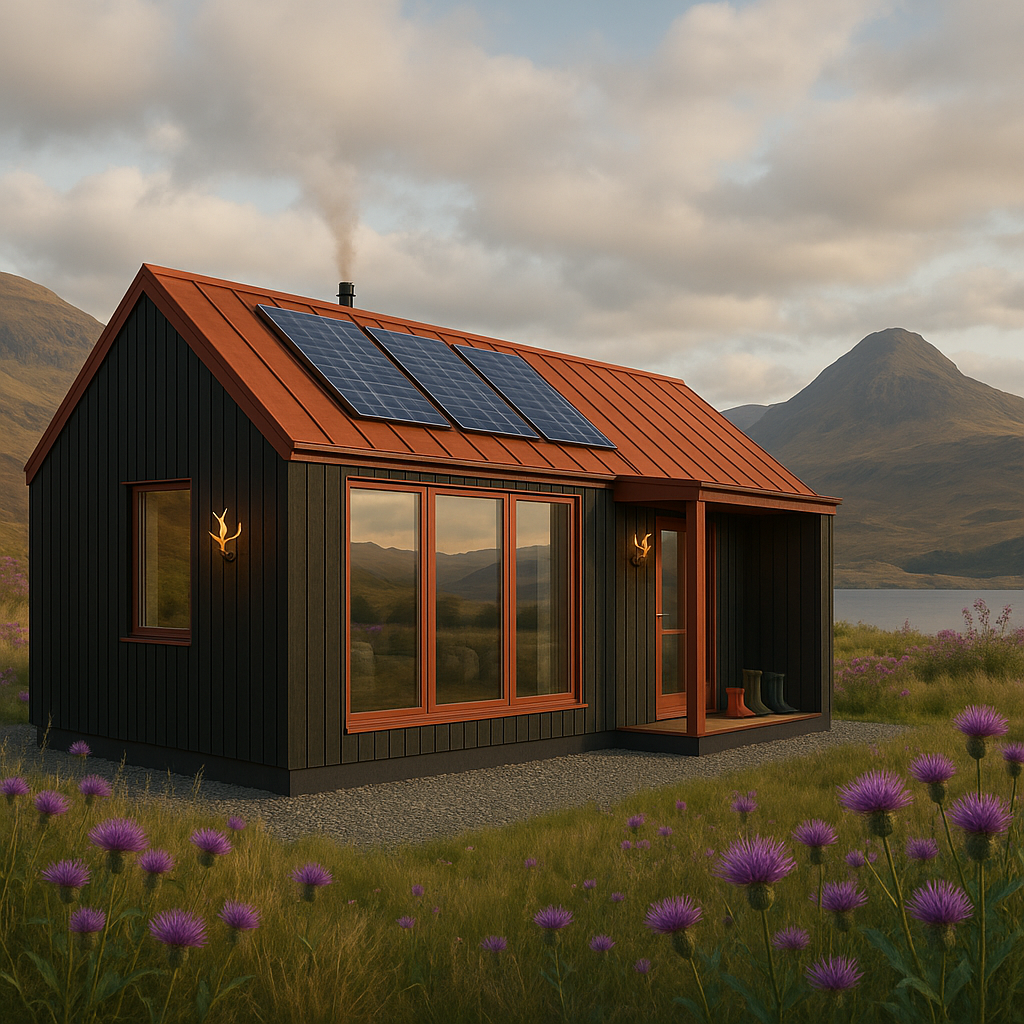
In rural areas, access to suitable space can be just as important as access to land.
Modular buildings are increasingly used to support flexible living arrangements, such as:
Accommodation for elderly relatives close to home
Space for young adults who want to stay local
Transitional or temporary accommodation
On-site staff or worker space
Croft diversification and small-scale rural enterprises
While our huts and cabins are not marketed as permanent housing, we have built spaces that customers use to support family members or provide short-term accommodation, offering comfort, dignity, and independence.
Rural Housing Pressure & Depopulation in the Highlands
Across the Highlands and Islands, rural communities are under sustained pressure. A shortage of appropriate housing, rising costs, and slow delivery all contribute to a familiar pattern: people want to stay, but struggle to do so.
This pressure shows up in many ways:
Young families priced out of their own communities
Older residents wanting to downsize without leaving the area
Key workers unable to find suitable accommodation
Crofts and smallholdings unable to support the next generation
Villages gradually losing permanent residents
Depopulation is not about a lack of ambition or resilience. Rural Scotland has both in abundance. What is often missing is delivery of the right kind of space, at the right scale, in the right places.
Where Modular Building Fits Into the Picture
Modular building is not a single solution to rural housing challenges, but it does align well with rural realities.
Key strengths include:
Smaller, proportionate footprints suited to villages, crofts, and edge-of-settlement sites
Off-site construction, reducing disruption where access and labour can be limiting
Adaptability, allowing spaces to evolve over time
Faster delivery, which can be critical in retaining people locally
At Tartan & Thistle, our current focus is on smaller modular structures such as shepherd’s huts, cabins, and flexible spaces. These already respond to many of the same constraints as housing, including exposure, insulation, access, and long-term usability.
Planning-Friendly Modular Building Use Cases
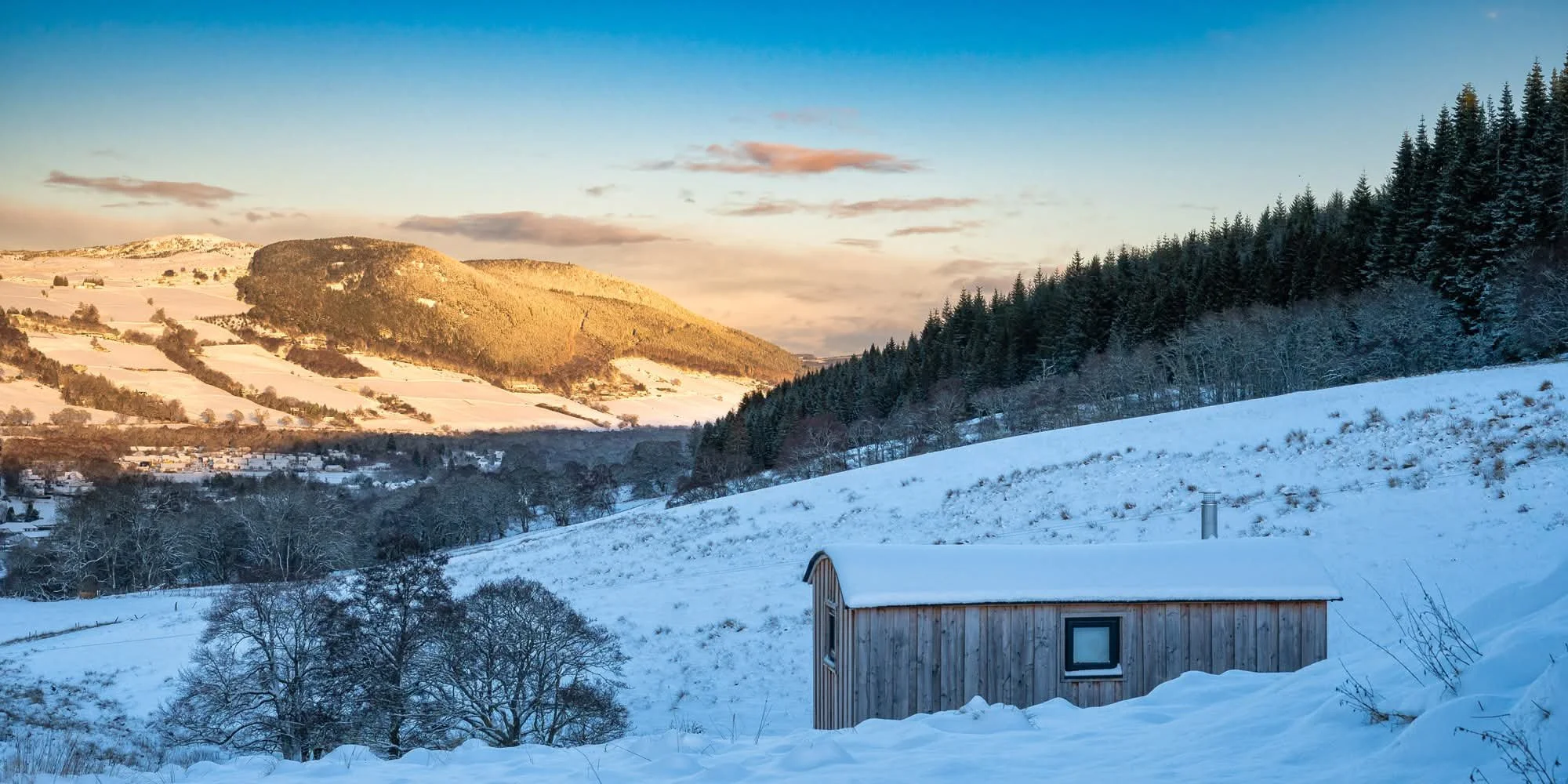
Planning is often the biggest question around modular buildings, and rightly so. Intended use matters just as much as size or construction method.
Many clients opt for planning-friendly uses that allow high-quality space without the complexity of a full housing application.
Common examples include:
Garden home offices and studios
Summer houses and garden rooms
Guest accommodation ancillary to the main dwelling
Hobby, workshop, or maker spaces
Flexible family rooms or study space
Croft diversification buildings
In most cases, scale, siting, and use are the key planning considerations, not whether a building is modular or delivered off-site.
We always recommend early conversations with local planners and design buildings with materials, proportion, and landscape context firmly in mind.
Off-Grid & Low-Impact Modular Buildings
Because modular buildings are designed as complete systems, they lend themselves well to off-grid living.
Options can include:
Solar power and battery storage
Composting or cassette toilets
Water storage and filtration
Low-energy heating systems
Living and working off-grid ourselves gives us practical insight into what actually works in remote Highland settings, beyond theory or specification sheets.
From Shepherd’s Huts to Modular Living: Our Next Chapter
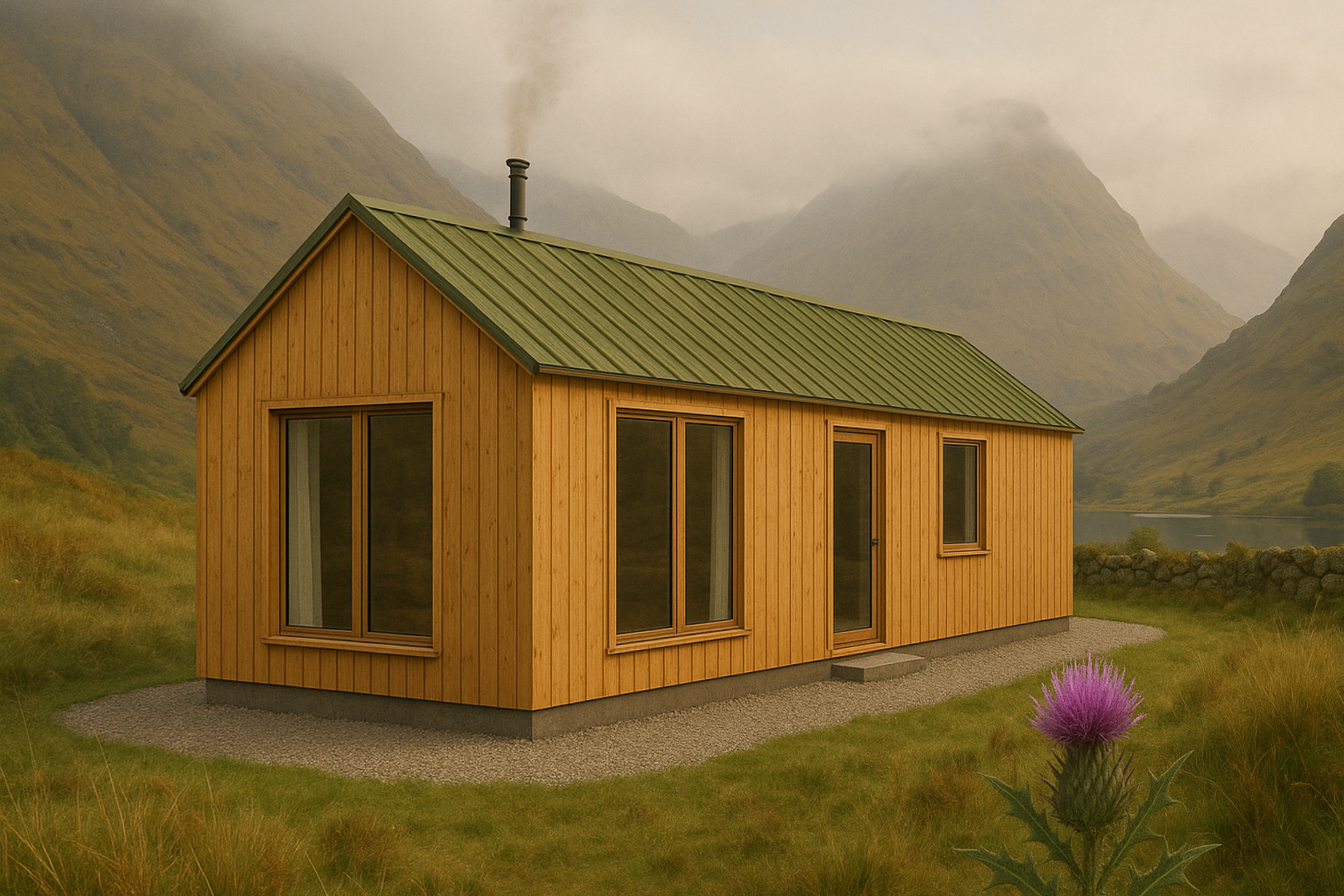
We’ve been asked recently whether we build modular housing.
At present, we do not market our buildings as permanent housing. However, modular living is a natural progression from the smaller huts and cabins we already design and build.
As a business shaped by Highland experience, and as a family living and working here, we have dealt first hand with the challenges posed by rural depopulation, limited housing supply, and shrinking local services. When our local nursery was mothballed due to falling numbers, it brought home how fragile rural infrastructure can be. Housing, childcare, and community sustainability are deeply connected.
Both personally and professionally, we understand how complex these pressures can be, and how quickly communities can shift when families are forced to move away.
That lived experience is one of the reasons we see modular living as an important next step.
For us, this next stage looks like:
Scaling up thoughtfully from compact structures
Retaining off-site, low-disruption construction
Applying what we have learned about insulation, durability, and siting
Responding to genuine rural need, not trends
The principles behind modular housing, quality, adaptability, and efficiency, are already embedded in our work.
Watch this space.
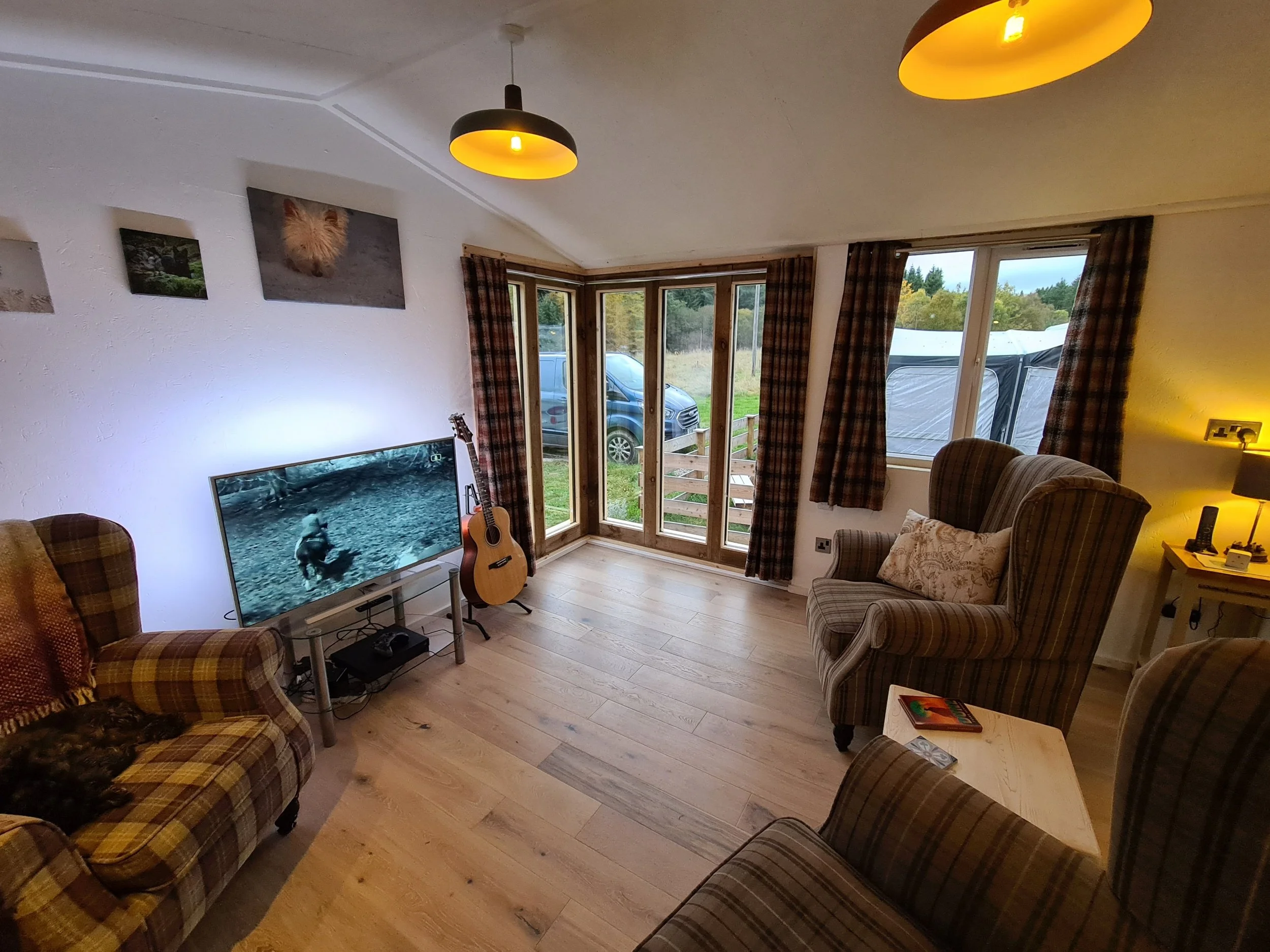
Designed for Real Life in the Highlands
Every building we create is shaped by how it will actually be used, not just how it looks on paper.
Whether you are looking for a home office, summer house, cabin, or flexible rural space, modular building offers a practical, future-proof starting point.
Across the Highlands, we’re seeing a growing interest in modular garden rooms, cabins and flexible buildings that allow people to live and work wel in rural Scotland.
Sometimes the smartest solution is not building bigger. It’s building better, smaller, and smarter.